 LAUNCHING SOON — SIGN UP TO GET $10 OFF →
Why one scoop beats ten pills: the case for an all-in-one daily drink
Picture the counter next to your kitchen sink. There's a bottle of vitamin D. Magnesium. Maybe fish oil. A multivitamin you bought six months ago that's still three-quarters full. Then the prescription medications: the statin, the blood pressure pill, whatever else your doctor added at your last visit.
Every morning starts the same way: a handful of capsules, a glass of water, and a vague hope that you're doing the right thing. If that routine sounds familiar, you're not alone. Nearly 40% of adults over 65 take five or more prescription drugs daily, and more than half also take dietary supplements on top of that. That's a lot of pills. And research consistently shows that the more complex the regimen, the less likely people are to stick with it.
The real problem isn't what you take. It's whether you keep taking it.
Studies on medication adherence in older adults paint a striking picture: non-compliance rates range from 40% to 75%, depending on the condition and the complexity of the regimen. Every additional pill, every extra step, chips away at consistency. A 2026 clinical review identified the key barriers to supplement use in older adults: cost, variable product quality, the hassle of managing multiple products, and the real concern about interactions with existing medications.
This matters more than most people realize. The most rigorously studied supplement in the world does nothing if it sits in your cabinet. Compliance isn't a minor detail. It's the entire game. And the supplement industry has largely ignored this, building products around what fits in a bottle rather than what fits in a life.
The math that makes capsules impossible
If you wanted to follow what the clinical research actually recommends for protecting muscle as you age, here's what your daily regimen would look like: 25 grams of protein, 5 grams of creatine, 3 grams of HMB, 500 milligrams of urolithin A, plus vitamin D, magnesium, and vitamin K2.
Now consider that a standard supplement capsule holds roughly 500 to 750 milligrams of powder. To get 25 grams of protein from capsules, you'd need to swallow somewhere between 33 and 50 of them. That's not a supplement routine. That's a competitive eating challenge.
Even setting protein aside, 5 grams of creatine requires 7 to 10 capsules. HMB at 3 grams adds another 4 to 6. This is precisely why every serious protein product on the market is a powder or a shake, not a pill. The clinical dose simply doesn't fit in a capsule. And when supplement companies do squeeze creatine or HMB into a multivitamin, they typically include a fraction of the studied dose, sometimes as little as 200 milligrams of creatine when the research calls for 5,000. You're paying for the word on the label, not the amount that actually works.
A drink is a ritual. A pill is a chore.
Format matters beyond just dosing. There's a meaningful difference between swallowing a handful of capsules and making a morning drink. One is something you endure. The other is something you can actually enjoy.
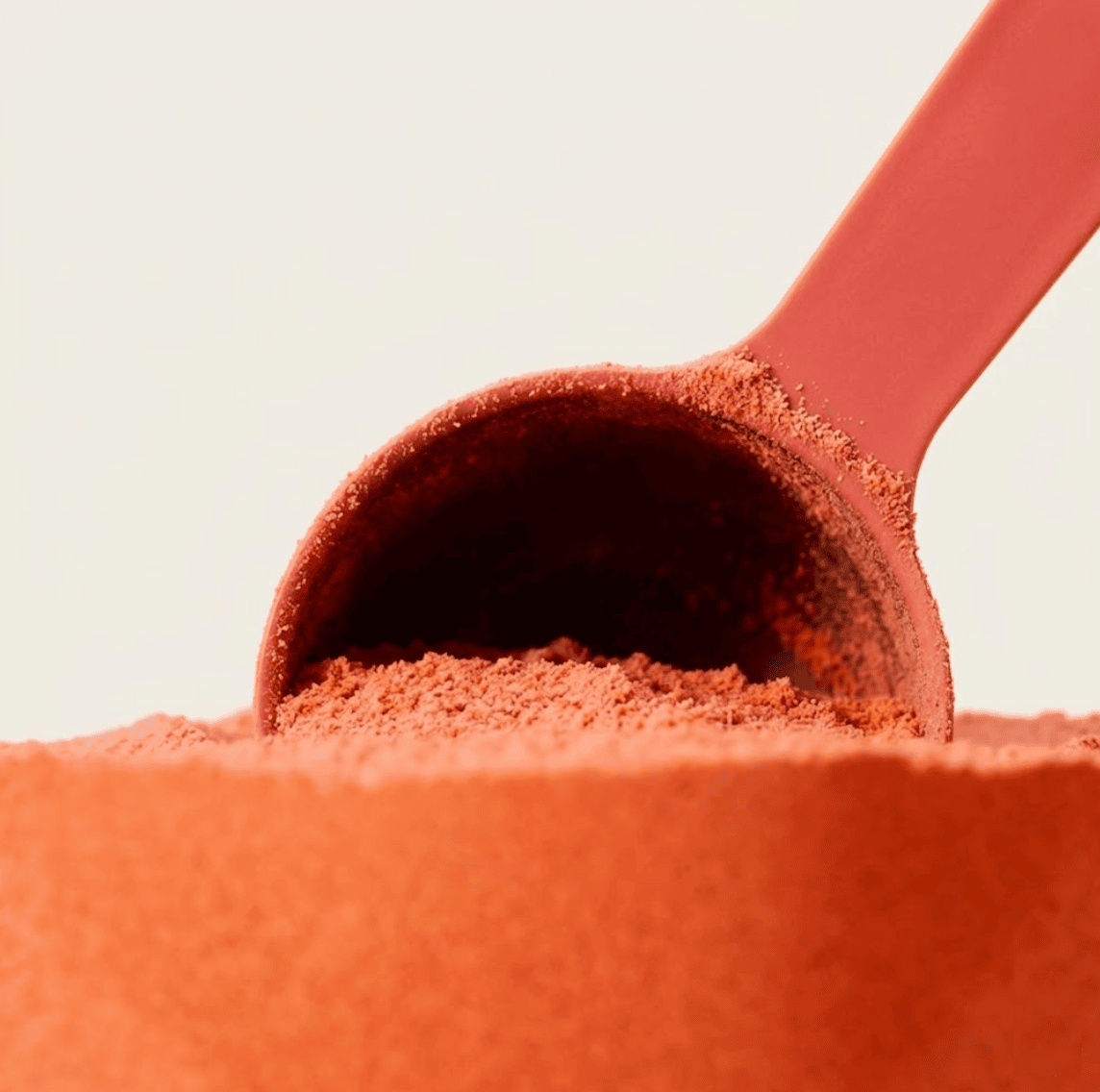
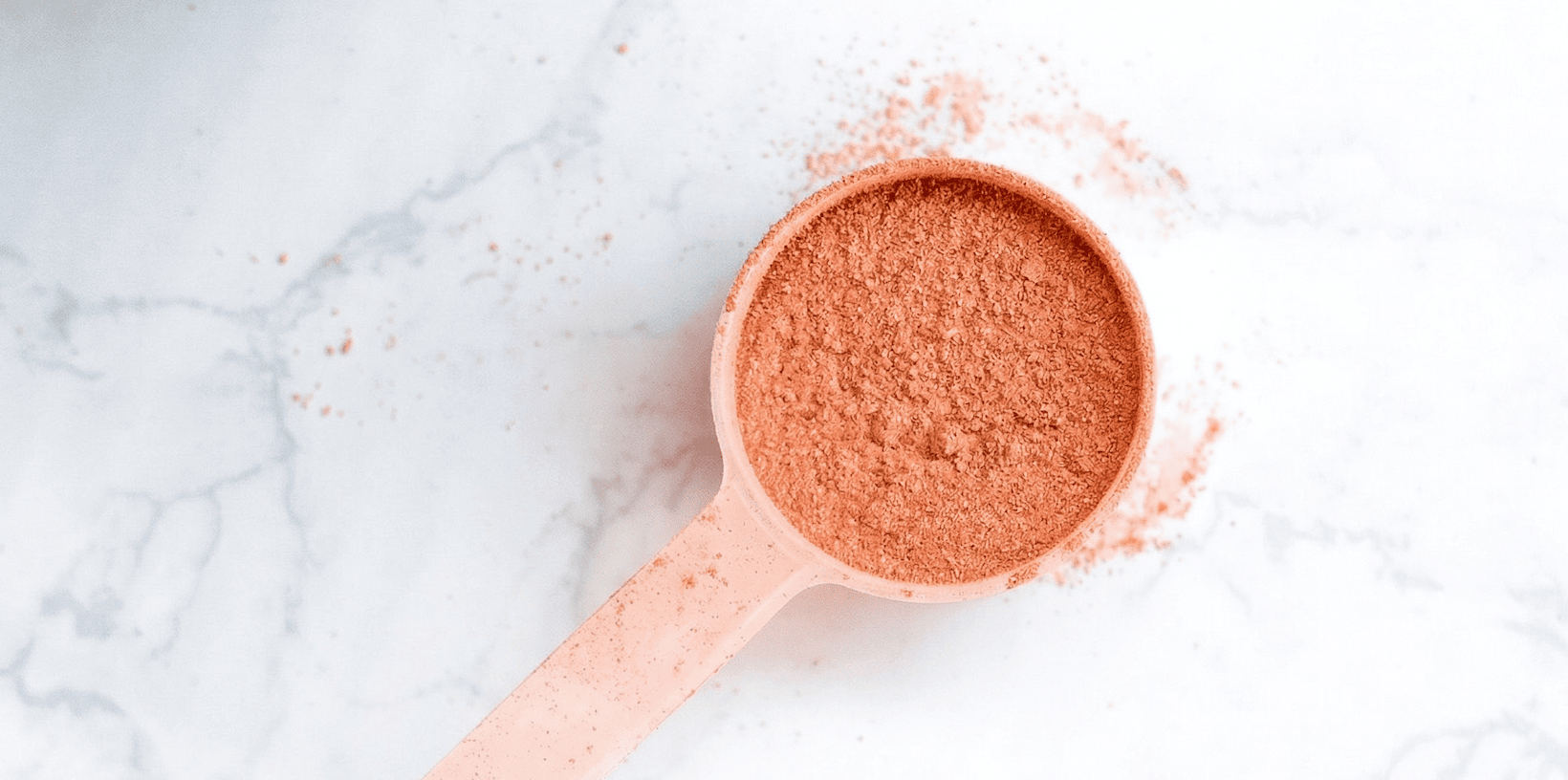
Research on habit formation shows that new behaviors stick best when they're anchored to existing routines. If you already make coffee or eat breakfast at the same time every day, adding a scoop of powder to a glass of water fits naturally into that flow. It doesn't require a new decision. It doesn't interrupt your morning. It becomes part of it.
There's also a hydration benefit that's easy to overlook. The thirst signal weakens as you age, which means many older adults are mildly dehydrated without realizing it. Dehydration contributes to fatigue, dizziness, and cognitive fog, all things that get wrongly attributed to "just getting older." A drink mix that tastes good gives you a reason to start your day with 8 to 10 ounces of water. That alone is worth something.
And then there's the simplest insight of all: people stick with things they look forward to. If your supplement tastes like chalk and makes you gag, you'll skip it. If it tastes light and clean and marks the start of your day, you'll reach for it. The supplement industry has treated taste as an afterthought for decades, especially for older adults. We think it's central to the whole thing working.
What "all-in-one" should actually mean
There are two approaches to an all-in-one supplement. One is the kitchen-sink method: throw 40 or 80 ingredients into a blend, list them all on the label, and hope the sheer volume looks impressive. The problem is that when you spread a single scoop across that many ingredients, each one ends up at a trace amount. You're taking a little bit of everything and an effective dose of nothing.
The other approach is to be narrow and deep. Pick the ingredients that have the strongest clinical evidence, and include each one at the dose that was actually used in the trials. Seven ingredients, not seventy. Every one of them backed by peer-reviewed research in adults over 55. Nothing added for label decoration.
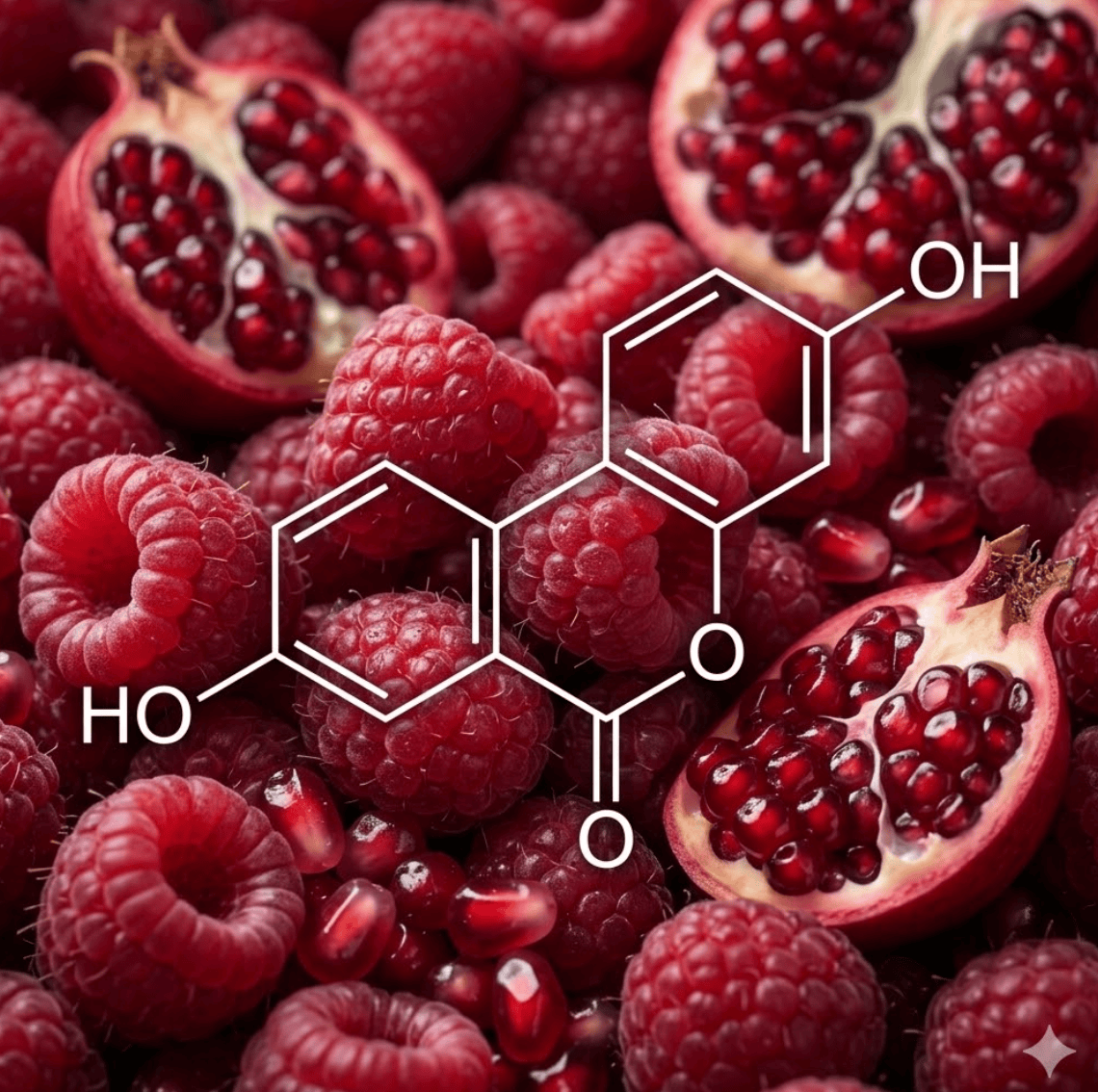
That's what we built with Stronghold. Twenty-five grams of clear whey protein isolate, because research shows that's the threshold for stimulating muscle protein synthesis in older adults. Five grams of creatine monohydrate, the dose confirmed across multiple meta-analyses to improve lean mass, strength, and functional ability. Three grams of HMB, shown to prevent muscle breakdown even during periods of inactivity. Five hundred milligrams of urolithin A, the dose that improved muscle endurance by up to 26% in a randomized trial of adults aged 65 to 90. Plus vitamin D3, magnesium glycinate, and vitamin K2, each at doses that reflect current clinical recommendations.
The price of doing it separately
Here's what it costs to buy each of these ingredients individually at their clinical doses: whey protein runs about $40 a month, creatine about $12, HMB around $25, urolithin A between $45 and $60, and the vitamins add another $15 or so. That's roughly $135 to $150 per month, spread across five to seven separate products, each with its own container, its own dosing schedule, and its own expiration date to track.
Stronghold is $89 a month. One box. One scoop each morning. Everything included. It's less money, less clutter, and a far higher chance you'll still be taking it six months from now. Which, when it comes to protecting your muscle, is the only thing that matters.
The whole protocol in one scoop
Walk back to that kitchen counter. Now imagine it with one box instead of seven bottles. One morning ritual instead of a handful of pills. One product built around the question that actually determines whether any of this works: will you take it tomorrow, and the day after that, and the day after that?
The science of age-related muscle loss is remarkably clear. The ingredients are identified. The doses are established. The safety data spans decades. The problem was never what to take. It was how to make it simple enough, affordable enough, and enjoyable enough that people actually do it. Every single day.
One scoop. Every morning. That's the whole protocol.
Sources: CDC National Center for Health Statistics, prescription drug use in adults 65+. Yap et al., Aging Clinical and Experimental Research, 2016 (medication non-adherence). Box et al., JCSM Communications, 2026 (barriers to supplement use in older adults). Candow et al., JISSN, 2025 (PMC12272710). Li et al., Journal of Nutrition, Health and Aging, 2024 (PubMed 38350303). Liu et al., JAMA Network Open, 2022 (PMC8777576). Lally et al., European Journal of Social Psychology, 2010 (habit formation).