 LAUNCHING SOON — SIGN UP TO GET $10 OFF →
The fall that changes everything: why muscle is the most important thing your doctor isn't talking about
It usually starts with something small. A stumble on a wet bathroom floor. A missed step off a curb. A moment where your legs just don't respond the way you expect them to. For millions of adults over 65, that small moment becomes a turning point. A fall leads to a fracture, which leads to a hospital stay, which leads to weeks of inactivity, which accelerates the very muscle loss that caused the fall in the first place.
Falls are the leading cause of injury death in adults over 65. As one Johns Hopkins geriatrician put it, after a serious fall, the trajectory of someone's life often shifts permanently. But here's what most people don't realize: falls aren't random bad luck. They're downstream of something that's been happening quietly in your body for decades.
The decline nobody warns you about
Starting around age 30, your body begins losing muscle mass at a rate of about 1% per year. You don't feel it at first. But by your 60s and 70s, that math has compounded. Jars get harder to open. Grocery bags feel heavier. Getting up from a low couch takes a push from your arms that it never used to.
Scientists call this sarcopenia, which literally means "loss of flesh" in Greek. It's now officially classified as a disease, and it affects roughly 30% of adults over 60 and up to half of those over 80. It increases your risk of falls, fractures, hospitalization, and loss of independence.
The causes are layered. As you age, your muscles become less responsive to the normal signals that tell them to grow. Researchers call this anabolic resistance, meaning your body doesn't use the protein you eat as efficiently as it once did. At the same time, your mitochondria (the tiny engines inside every cell that produce energy) start declining. Chronic low-grade inflammation builds up. And unless you're actively working against it, the balance tips from building muscle to losing it.
Why your doctor probably hasn't mentioned this
If you've never heard the word sarcopenia from your physician, you're not alone. Most primary care visits are 15 minutes long. Standard blood work doesn't measure muscle quality. Doctors routinely screen for bone density, but almost never for the muscle that holds those bones upright.
There's also no FDA-approved drug for sarcopenia. The medical system is built around prescriptions, and when the best available treatments are nutrition and exercise, they tend to get reduced to a passing comment: "try to stay active and eat more protein." That's not wrong, but it's not enough.
A 2025 review in a leading clinical journal confirmed that nutrition and resistance training remain the primary interventions for sarcopenia, and that certain supplements can meaningfully enhance those results when dosed correctly. The science exists. It's just not making it into the doctor's office.
What the research actually shows
Over the past several years, a substantial body of clinical evidence has converged on a handful of ingredients that directly address the mechanisms behind age-related muscle loss. Here's what the studies say.
Protein is the foundation. Your muscles are made of it, and after 50, you need more of it per meal to trigger the same rebuilding response. Research suggests that 25 to 30 grams of high-quality protein per meal is the threshold for older adults. A 2024 meta-analysis of over 1,100 older adults with sarcopenia found that whey protein supplementation significantly increased skeletal muscle mass and walking speed, and reduced markers of inflammation. A separate 2025 review found that whey protein improved muscular strength even before visible changes in body composition, likely through improvements in muscle quality and neural signaling.
Creatine monohydrate is the most studied sports supplement in existence, but it's wildly underused by the people who need it most. A 2025 review from the International Society of Sports Nutrition concluded that creatine combined with exercise improves lean body mass, muscle strength, bone density, functional ability, and even cognitive function in older adults. A meta-analysis of over 700 participants found that creatine users gained an average of 1.37 kg more lean mass than those taking a placebo. It works by replenishing the energy your muscle cells use during contraction, essentially giving your muscles more fuel to work with.
HMB (short for beta-hydroxy beta-methylbutyrate) is a compound your body produces naturally from the amino acid leucine. Its primary role is preventing muscle protein breakdown, which is especially important during periods of illness, bed rest, or reduced activity. Studies have shown that 3 grams of HMB daily can prevent acute muscle decline in as little as eight weeks, even in people who aren't exercising.
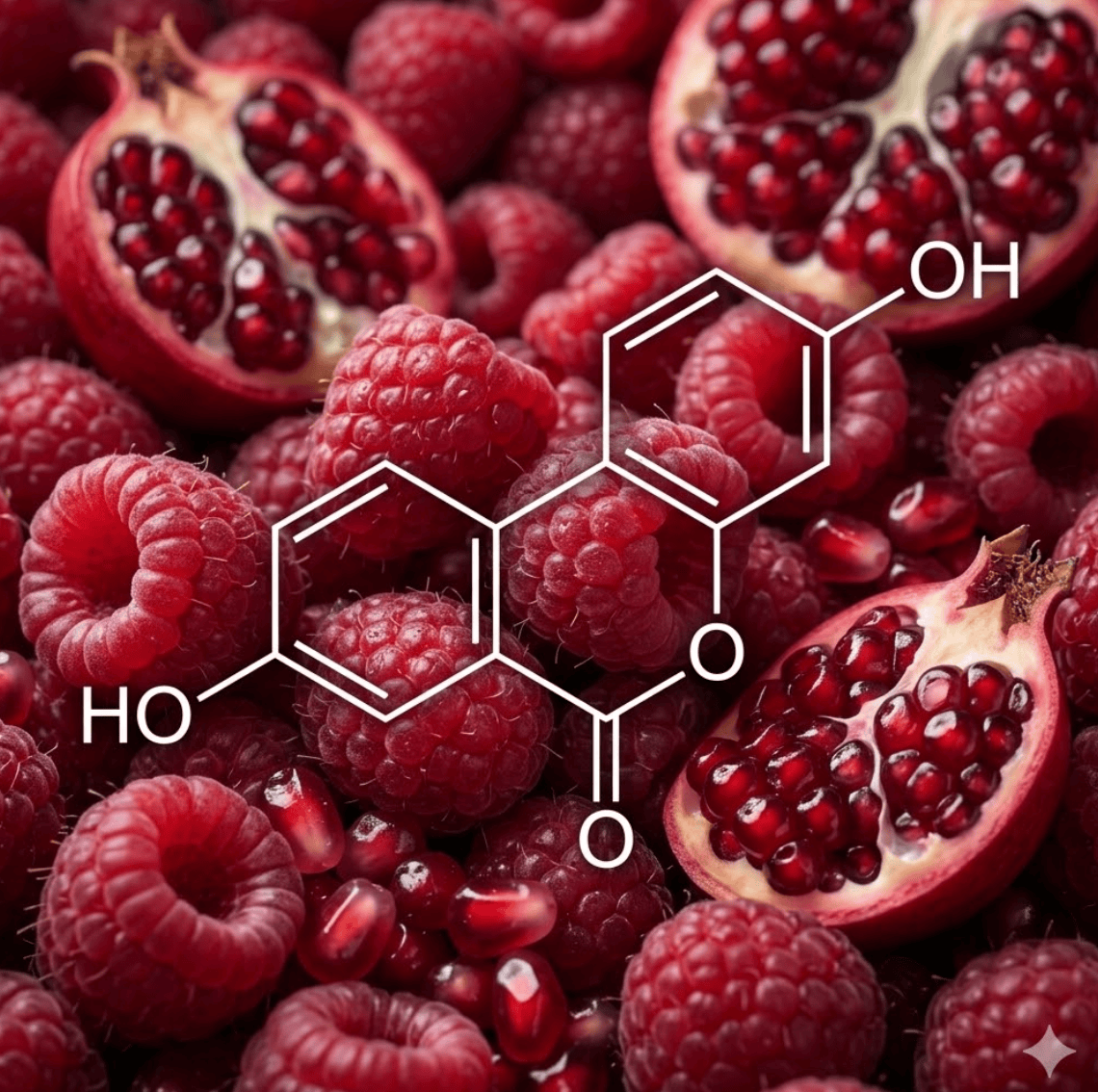
Urolithin A is a naturally occurring molecule your body is supposed to produce when you eat pomegranates, walnuts, and berries. It activates a process called mitophagy, which is essentially your cells' way of clearing out old, damaged mitochondria and replacing them with healthy new ones. The problem is that only about 40% of people have the right gut bacteria to produce it in meaningful amounts. In a randomized clinical trial published in JAMA Network Open, adults aged 65 to 90 who took 1,000 mg of urolithin A daily for four months showed up to 26% improvement in muscle endurance compared to placebo, along with reduced inflammation and improved mitochondrial health markers. Most of that improvement appeared within the first two months.
The compliance problem
If you're reading this and thinking "great, I'll just buy all of those separately," consider what that actually looks like: a tub of protein powder, a jar of creatine, a bottle of HMB capsules, a bottle of urolithin A, plus vitamin D, magnesium, and K2. That's seven products, multiple daily doses, and a monthly bill of $125 or more.
A 2026 clinical review noted that financial cost, variable product quality, adherence challenges, and potential drug-supplement interactions are all major barriers to supplement use in older adults. The clinical evidence is clear that these ingredients work. But they only work if you actually take them consistently. And consistency depends on simplicity.
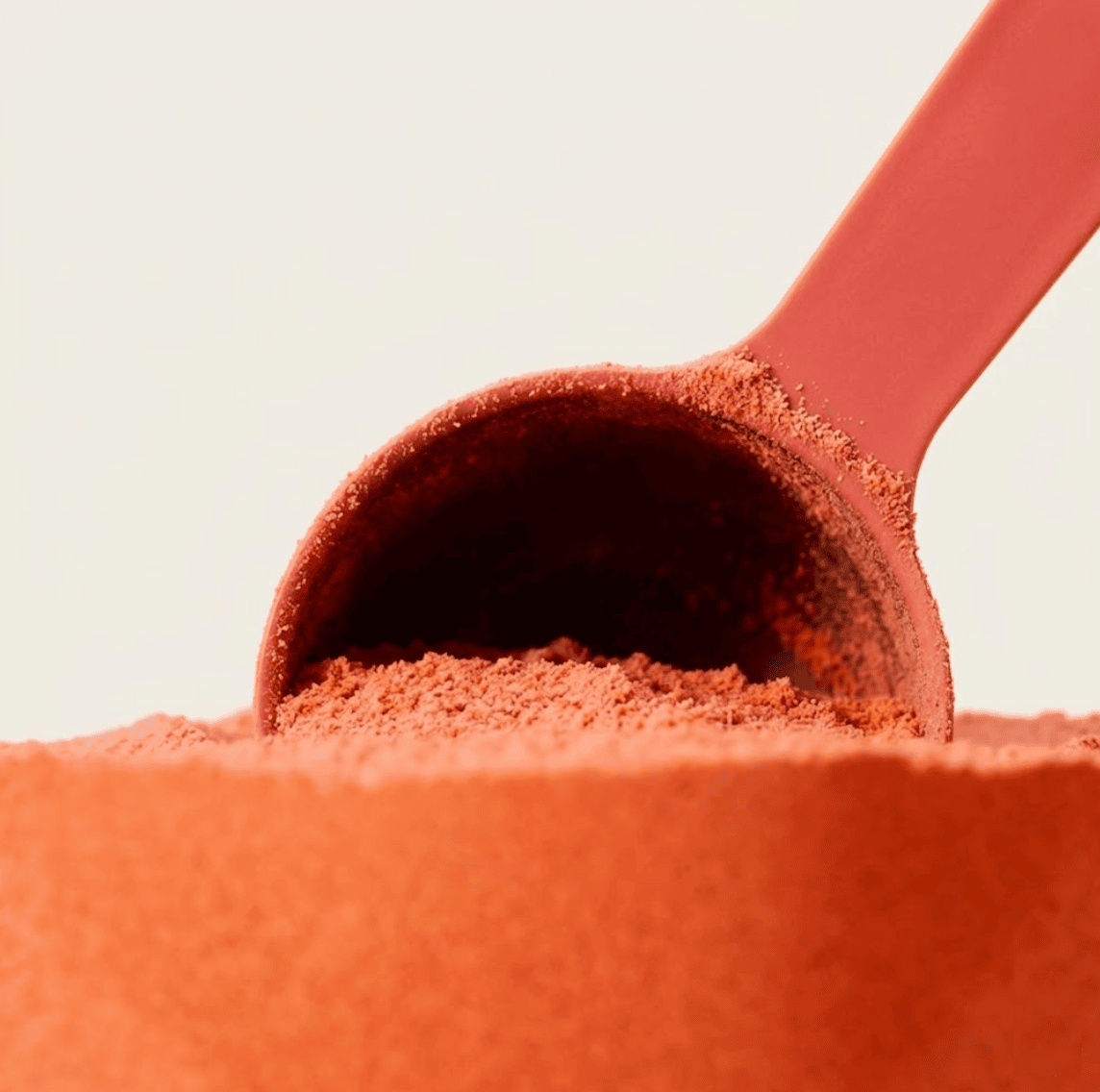
This is why we built Stronghold as a single daily drink mix: one scoop, one scoop into water, every morning. Every ingredient at the exact dose the clinical trials used. No pill pile. No guesswork. No bodybuilder branding. Just the science, in a form you'll actually stick with.
Start with this
The research is also unambiguous about one thing: supplements work best alongside resistance exercise. You don't need a gym membership. You don't need to lift heavy. Three simple movements, done a few times a week, can make a real difference.
Chair stands: Sit in a sturdy chair, stand up without using your arms, sit back down. Repeat 10 times, rest, do two more rounds.
Wall pushups: Stand arm's length from a wall, place your palms flat, and do a slow pushup against the wall. Ten reps, three rounds.
Single-leg balance: Stand near a counter for safety. Lift one foot and hold for 30 seconds. Switch sides. This alone trains the stabilizer muscles that prevent falls.
As little as two sessions per week has been shown to produce meaningful improvements in strength and function in older adults. Pair that with the right daily nutrition, and you're not just slowing the decline. You're actively rebuilding.
The bottom line
The things you do without thinking today — opening jars, climbing stairs, getting up from the floor to play with grandkids — all depend on muscle you're losing right now. The science to slow that down exists. It's published, peer-reviewed, and available. The only question is whether you start.
Sources: Liu et al., JAMA Network Open, 2022 (PMC8777576). Li et al., Journal of Nutrition, Health and Aging, 2024 (PubMed 38350303). Candow et al., Journal of the International Society of Sports Nutrition, 2025 (PMC12272710). Chilibeck et al., Open Access Journal of Sports Medicine, 2017 (PMC5679696). Box et al., JCSM Communications, 2026. Al-Rawhani et al., Clinical Nutrition, 2024. CDC Fall Prevention data. NIA Baltimore Longitudinal Study of Aging.